Book Review of Man’s Search For Meaning
Man’s Search for Meaning is well known classic of Holocaust Literature is a short book and a worthy read. Written by Viktor E. Frankl an Austrian psychotherapist, it is a compelling glimpse into the human Phyche. His observations about life in sever conditions during imprisonment at Auschwitz during World War II are enhanced by his training in psychology, going beyond horrors many of us know from popular movies or documentaries about the Holocaust.
Frankl doesn’t offer much in the way of narrative; rather he offers in-depth analysis of the psychology of the prisoners and the guards, based on both his psychiatric knowledge and his first-person observations. The central theme of the book is about how anyone can choose to make meaning out of any situation, no matter how bad thing are. He uses his personal experiences and observations to support this premise.
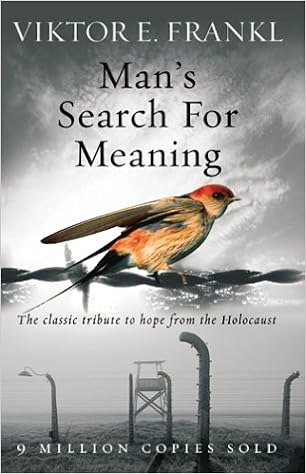
In the first half of the book, which centres on Frankl’s first person tale of starvation, violence, cruelty and epic loss in the German death camps, he argues that we cannot avoid suffering but we can choose how we cope with it, find meaning in it, and move forward with renewed purpose. His assertion is not that we must find the meaning within life, to discover what it is we want from life, but rather to discover what life demands of us and how we must deal with it.
In the latter half of the book, Frankl goes into the academic detail of his theory, known as Logotherapy written as its own thing, focuses on this discovery and pursuit of what is meaningful to us. It contains a series of repetitive self-elevated unscientific tales of how this method has helped people. Though it is unreliable, it makes an interesting read.
This is quite a small book, can be read within few hours. The extra sections are short and simple. It’s a great book to read when you feel like a failure, feel lost, beaten or oppressed in any way. When you are finished reading you will, see your own challenges in a different light: everything in your life could be so much worse, and even if it were, you could still find a way to find meaning.


Comments
Post a Comment